
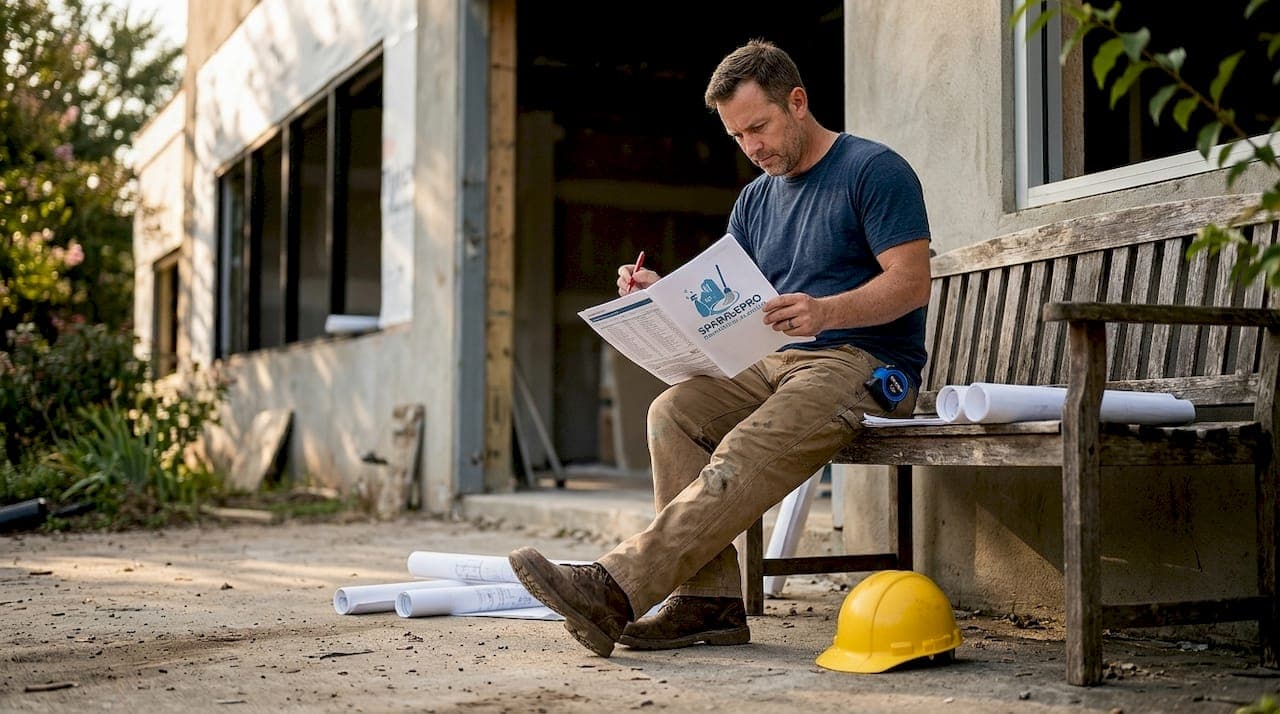
Construction cleaning bid preparation is the process of estimating post-construction cleaning scope, cost, and timeline to create competitive proposals that win contracts and set clear client expectations. Known formally as post-construction cleaning estimation, this practice separates contractors who win repeat business from those who underprice, overpromise, and lose margin on every job. A well-built bid covers three distinct cleaning phases: rough clean, final clean, and touch-up clean. Each phase carries different labor demands, surface risks, and pricing logic. Tools like CleanerHQ's pricing calculator, proposal templates from JaniJobs, and ISSA's bidding guidelines give contractors a structured foundation to build accurate, professional bids that hold up under scrutiny.
What does a construction cleaning bid preparation guide actually cover?
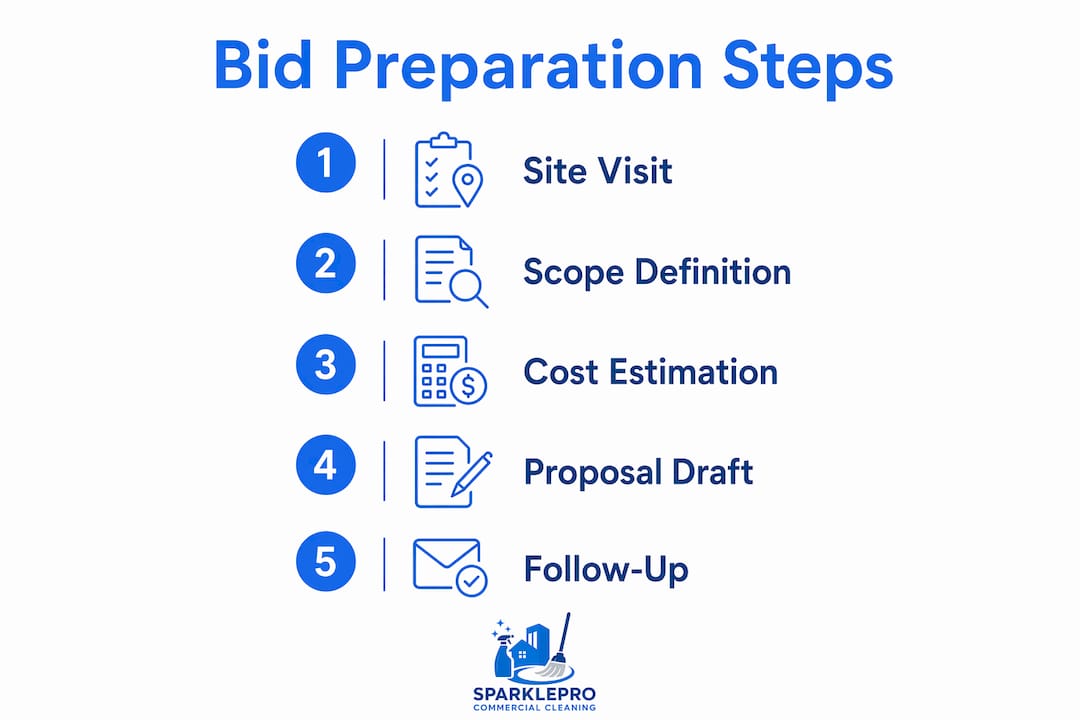
A construction cleaning bid preparation guide covers site assessment, scope definition, cost estimation, proposal formatting, and post-submission follow-up. Each step builds on the last. Skip the site visit and your pricing is a guess. Skip the scope definition and you will be cleaning things you never agreed to clean. The guide below walks you through every step in sequence, with specific numbers, tools, and examples drawn from current industry practice.
How to conduct a site visit that produces accurate bid data
The site visit is the single most important input in your entire bid. Proposal accuracy depends on documenting total square footage, number of floors and rooms, surface types, construction materials used, and all access points before you write a single number.

Bring a laser measuring tool, a printed bid template, and a smartphone for photos. Document every problem area: high ceilings, fragile stone finishes, large glass facades, and tight stairwells. These are the spots that will eat your labor hours if you underestimate them. A photo of a 30-foot atrium ceiling tells your crew chief more than any written note.
Key data to capture during every site walkthrough:
- Total square footage by floor and area type (office, corridor, restroom, lobby)
- Surface materials: concrete, hardwood, tile, glass, painted drywall, stone
- Debris load: light dust, moderate construction debris, or heavy waste accumulation
- Access conditions: elevator availability, stairwell width, loading dock access
- Specialty areas: server rooms, clean rooms, medical suites, or retail display areas
- Existing damage that must be documented before cleaning begins
Pro Tip: Submit your proposal within 24 to 48 hours of the site visit. General contractors move fast. A delayed proposal signals disorganization, and a competitor who responds in 24 hours will often win even at a slightly higher price.
Site visit documentation also protects you legally. If a client claims you damaged a surface, your pre-clean photos are your defense. Make this a non-negotiable part of your process.
How to define the scope of work in your cleaning cleanup proposal
Scope definition is where most construction cleanup proposals fail. Vague language like "thorough cleaning throughout" creates disputes, scope creep, and unpaid rework. A clearly defined scope with explicit inclusions and exclusions is the single most effective way to protect your margin after award.
Structure your scope by phase, not by room. This matches how general contractors think and makes your bid easier to compare against competitors.
| Phase | Included tasks | Typical exclusions |
|---|---|---|
| Rough clean | Debris haul, broom sweep, trash removal, window protection removal | Dumpster rental, hazardous waste, exterior work |
| Final clean | Detailed dusting, surface wipe-down, glass polishing, floor care | Exterior windows above ground floor, carpet installation, repairs |
| Touch-up clean | Spot cleaning, fingerprint removal, final inspection corrections | New damage caused after final clean, furniture placement |
Write your scope as a task list organized by area or phase, not as a paragraph. Numbered lists are easier for clients to review and easier for your crew to execute. Align your scope directly with the client's Request for Proposal or Invitation to Bid. Customized scope alignment improves your bid's comparability and signals that you read the documents carefully, which most competitors do not.
Pro Tip: Always include a dedicated "Exclusions" section in your proposal. State explicitly that heavy debris removal, exterior glass above the first floor, and any repairs or patching are outside your scope. This one section prevents more disputes than any other part of the document.
How to estimate costs and price your bid competitively
Pricing is the section where contractors either win the job or lose their shirt. The most defensible method is square-foot base pricing adjusted by multipliers for debris load, access difficulty, and surface type.
Current US market ranges by phase:
- Rough clean: $0.10 to $0.25 per square foot
- Final clean: $0.30 to $0.50 per square foot
- Touch-up clean: $0.10 to $0.20 per square foot
Heavy dust conditions or luxury finishes requiring extra care add 20% to 40% to your base rate. That means a 50,000-square-foot final clean priced at $0.40 per square foot becomes $20,000 at standard conditions and up to $28,000 on a high-end commercial interior with polished stone and custom millwork.
Access difficulty directly affects labor productivity. A multi-floor site with limited elevator access and narrow stairwells can reduce crew productivity by 30% or more compared to a single-floor open warehouse. Price this in, not as a vague contingency, but as a specific line item.
Build your cost estimate from these components:
- Labor hours per phase multiplied by your fully loaded labor rate (wages, taxes, insurance, supervision)
- Equipment costs: vacuums, floor machines, lifts, pressure washers
- Consumables: cleaning chemicals, microfiber cloths, trash bags, protective coverings
- Overhead allocation: vehicle costs, insurance, administrative time
- Profit margin: typically 15% to 25% on commercial post-construction work
Additional charges to itemize separately include window cleaning on high-rise glass, reclean fees triggered by contractor re-entry after your final clean, equipment rental for specialty tasks, and rush fees for compressed timelines. General contractors prefer flat-rate quotes over hourly billing because flat rates transfer risk to you and simplify their budget management. Use pricing calculators to run multiple scenarios before committing to a number.
Pro Tip: Never absorb reclean costs silently. Include a reclean fee clause in your proposal stating that if other trades re-enter the site after your final clean, a documented reclean is billed at a set rate per visit. This clause alone can recover thousands of dollars on large commercial projects.
How to prepare a professional post-construction cleaning proposal
A winning bid proposal structure includes a cover letter, company overview, scope of work, itemized pricing, project timeline, payment terms, and proof of insurance. Each section serves a specific purpose. The cover letter personalizes the bid. The scope section defines the work. The pricing section justifies your number. The timeline sets expectations. The insurance documentation removes a procurement barrier.
Format matters as much as content. Use headers, numbered lists, and tables. Avoid dense paragraphs in the pricing section. A general contractor reviewing five bids simultaneously will spend 90 seconds on yours before deciding whether to read further. Make the key numbers and scope summary visible within the first page.
Defining inspection and acceptance criteria in your proposal is a practice most competitors skip entirely. Specify who conducts the final walkthrough, what the acceptance checklist covers, and what constitutes a completed job. Without this framework, touch-up requests become informal negotiations that cost you time and money.
Modern bids increasingly include digital quality verification through timestamped photos and digital checklists. This shifts the conversation from price alone to documented quality control, which is a significant differentiator when competing against lower-priced operators. Attach your certifications, references from comparable projects, and a current certificate of insurance. Submit as a PDF via email and follow up with a phone call the same day.
Pro Tip: Reference the client's RFP number and project name in your cover letter subject line and document header. This sounds minor, but procurement teams managing multiple bids will immediately recognize that you read their documents. It sets a professional tone before they read a single line of your scope.
Best practices for follow-up and building relationships that win repeat bids
Follow-up is where most contractors leave money on the table. Call or email within 48 hours of submission to confirm receipt and offer to answer questions. This is not aggressive. It is professional, and it keeps your bid top of mind when the client is comparing proposals.
Build relationships with project managers and site superintendents beyond the bidding cycle. These are the people who recommend vendors for the next project, who call you when a competitor fails to deliver, and who put you on approved vendor lists that bypass competitive bidding entirely.
Practical relationship-building steps that produce results:
- Send a brief thank-you email after every site visit, regardless of whether you win the bid
- Offer flexible scheduling options in your proposal, including weekend and off-hours availability
- Respond to change order requests within 24 hours with clear, itemized pricing
- Check in with project managers at project milestones, not just at bid time
Transparency in pricing and documentation builds the kind of trust that converts one-time clients into long-term accounts. General contractors who trust your process will call you before they post a public bid.
Pro Tip: Ask every satisfied client for a written reference letter specific to the project type. A reference from a hospital construction project carries more weight than a generic testimonial when you are bidding on another healthcare facility.
Key takeaways
Accurate construction cleaning bids require documented site data, phase-specific scope definitions, multiplier-adjusted pricing, and a professionally formatted proposal submitted within 48 hours of the site visit.
| Point | Details |
|---|---|
| Site visit is non-negotiable | Document square footage, surfaces, debris load, and access before pricing anything. |
| Scope by phase, not by room | Organize inclusions and exclusions by rough, final, and touch-up phases to prevent disputes. |
| Price with multipliers | Adjust base square-foot rates for debris intensity, access difficulty, and specialty surfaces. |
| Proposal structure wins bids | Include scope, itemized pricing, timeline, acceptance criteria, and insurance in every submission. |
| Follow-up closes contracts | Contact the client within 48 hours of submission and maintain relationships beyond the bid cycle. |
Why most bid losses come down to one avoidable mistake
After reviewing hundreds of post-construction cleaning bids, the pattern is consistent. Contractors lose not because their price is too high, but because their scope is too vague. A general contractor reading a proposal that says "full post-construction cleaning" has no idea what they are buying. A proposal that lists 47 specific tasks organized by phase, with a clear exclusions section and an acceptance checklist, tells the client exactly what they get. That specificity justifies a higher price and eliminates the negotiation that erodes margin.
The second most common mistake is underestimating access difficulty. A 100,000-square-foot building with one service elevator and a construction crew still active on three floors is not the same job as an empty 100,000-square-foot shell. I have seen contractors price both identically and lose money on the first one every time. Build access difficulty into your site visit checklist as a scored factor, not an afterthought.
Investing in a quality proposal template and a reliable cleaning service estimation guide pays for itself on the first job you win because of presentation quality alone. Clients associate proposal quality with service quality. A polished PDF with clear tables and a professional cover letter signals that your crew will be just as organized on site.
The contractors who consistently win competitive bids are not always the cheapest. They are the most credible. Credibility comes from specificity, documentation, and follow-through. Build those three things into every bid you submit.
— Sales
Get expert post-construction cleaning bids from Sparkleprocommercialcleaning
Sparkleprocommercialcleaning delivers fully licensed and insured post-construction cleaning services across the United States, with local operational knowledge in markets including Massachusetts, Washington, and New Jersey. Every engagement starts with a detailed site visit, a transparent itemized proposal, and a defined acceptance checklist so project managers know exactly what they are getting before work begins.
Whether you are managing a commercial office buildout, a retail center fit-out, or a large-scale industrial project, Sparkleprocommercialcleaning structures bids to match your RFP requirements and project timeline. Contact the team today for a site visit and a proposal that gives your project the professional finish it deserves.
FAQ
What is included in a construction cleaning bid?
A construction cleaning bid includes scope of work by phase, itemized pricing, project timeline, payment terms, and proof of insurance. It should also specify exclusions and define client acceptance criteria for each cleaning phase.
How do you price a post-construction cleaning job?
Price post-construction cleaning using per-square-foot base rates by phase: $0.10 to $0.25 for rough clean, $0.30 to $0.50 for final clean, and $0.10 to $0.20 for touch-up. Adjust upward by 20% to 40% for heavy debris or luxury finishes.
What should be excluded from a construction cleaning proposal?
Standard exclusions include heavy debris removal, exterior windows above the ground floor, hazardous waste handling, and any repairs or patching. Explicit exclusions in your proposal prevent scope creep and post-award disputes.
How quickly should you submit a cleaning bid after a site visit?
Submit your proposal within 24 to 48 hours of the site visit. Fast turnaround signals professionalism and keeps your bid competitive when general contractors are evaluating multiple proposals simultaneously.
What makes a construction cleaning bid stand out?
Bids that win combine a phase-specific scope, itemized pricing with access and debris multipliers, a client acceptance checklist, and documented quality assurance. Digital verification tools like timestamped photos increasingly differentiate credible vendors from price-only competitors.