
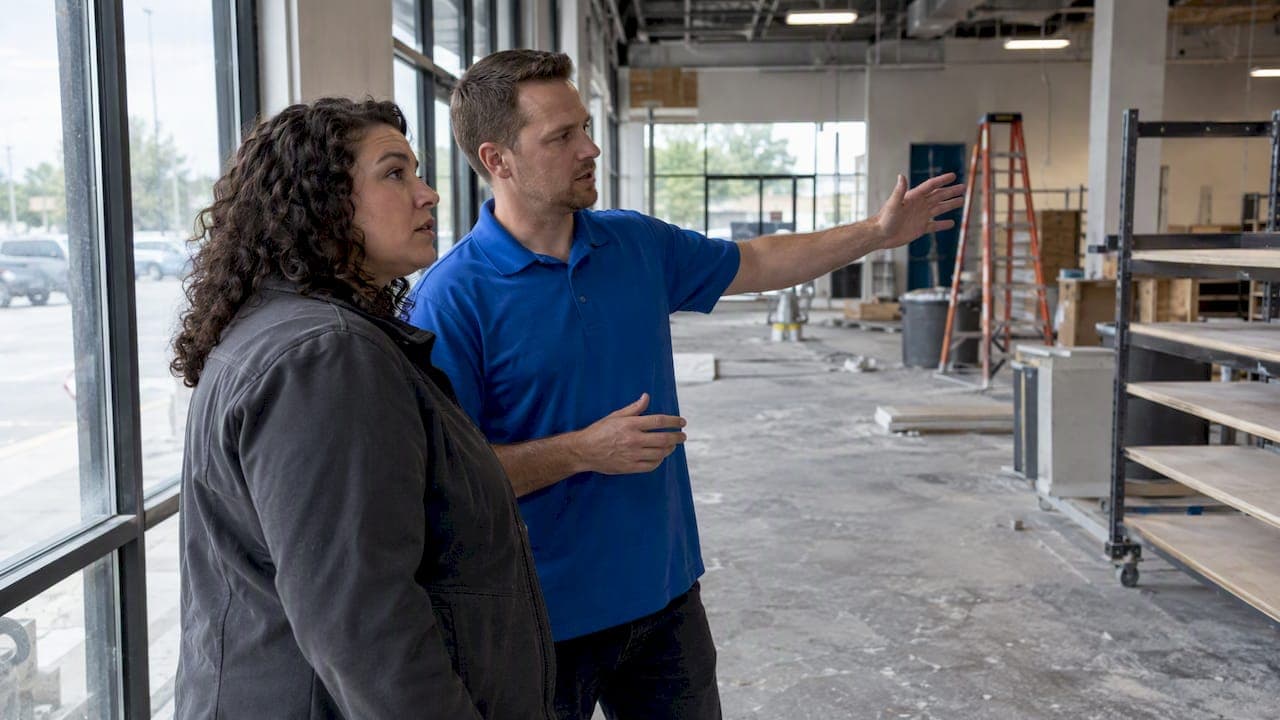
Hiring a professional post-construction and pre-opening cleaning crew is the fastest way to guarantee a safe, ribbon-ready retail store. One option worth considering for that job is a professional commercial cleaning service. A trained crew clears construction dust, sanitizes high-touch areas, and leaves you with a verifiable sign-off checklist instead of a last-minute scramble. The payoff is cleaner air, fewer surprises, and a store floor that looks finished the moment doors open.
TL;DR:
- Choosing a professional cleaning crew ensures dust removal, surface disinfection, and proper duct cleaning, reducing long-term air quality issues caused by construction dust.
- The scope should include debris removal, HEPA vacuuming, wet wiping, fixture polishing, and HVAC filter checks, using HEPA or wet methods to avoid scattering fine silica dust.
- Final cleaning should be scheduled 24 to 72 hours before opening, with extra time allocated for floor curing or duct cleaning after heavy construction residue.
- Obtain written estimates with detailed scope, and verify providers use proven dust-control methods, proof of licensing, insurance, and provide before-and-after documentation.
- Construction cleanup must follow OSHA silica standards, requiring wet or HEPA vacuum methods, especially on dusty materials, to prevent respirable crystalline silica exposure.
Table of Contents
- Why post-construction and pre-opening cleaning matters for retail grand openings
- What a professional retail post-construction clean includes
- Timing, scheduling, and cost factors for a grand-opening clean
- Safety and regulatory considerations to insist on in the scope
- How to evaluate and hire a cleaning partner for your grand opening
- How Sparkle Pro executes grand-opening cleans
- Operations viewpoint: the final 48 hours before opening
- Get a quote for your store's grand-opening clean
- FAQ
- Sources
Why post-construction and pre-opening cleaning matters for retail grand openings
First impressions in retail are made in seconds, and a hazy storefront or dusty display case undercuts every dollar spent on buildout and merchandising. Customers notice grime on glass, streaked floors, and dusty shelving long before they notice a sale sign.
There's a health dimension too. Construction generates fine particulate that settles into HVAC systems and recirculates through the store if nobody addresses it before startup, which is why protecting ductwork during and after construction work matters for long-term air quality, per EPA. Professional crews know to check filters and ducts rather than just wiping visible surfaces.
Cleaning and disinfecting are not the same task, and retail stores need both handled correctly before opening:
- Routine cleaning removes dirt, dust, and grime from floors, fixtures, and shelving.
- Disinfecting targets germs on high-touch surfaces using EPA-registered products, which the CDC recommends for retail environments.
- High-touch surfaces such as door handles, counters, and point-of-sale terminals should be cleaned and disinfected regularly, with frequency adjusted based on foot traffic.
Skipping either step leaves a store that looks clean but isn't actually ready for public hands.
What a professional retail post-construction clean includes
A clear scope of work lets you compare bids line by line instead of guessing what's included. Most complete post-construction retail cleans follow a similar sequence:
- Debris removal, including leftover packaging, tape, stickers, and construction scraps.
- HEPA vacuuming of floors, vents, and corners to capture fine dust before it becomes airborne.
- Wet wiping of all surfaces, shelving, and fixtures to remove residue that dry methods push around instead of removing.
- Glass and fixture polishing for storefront windows, display cases, and mirrors.
- Floor prep and finish work, including stripping, sealing, or buffing depending on the flooring material.
- Restroom deep cleaning, from grout to fixtures to supply dispensers.
- High-touch disinfection of door handles, counters, payment terminals, and shared equipment.
- HVAC filter checks and replacement where construction dust has likely entered the system.
The tools matter as much as the task list. HEPA-rated vacuums and wet wiping methods capture fine dust rather than scattering it, which keeps silica particles out of the air during cleanup, a concern OSHA addresses directly in its construction guidance. Dry sweeping or compressed air without dust capture can push that same dust right back into the space you're trying to clean.
Pro Tip: Ask for a written acceptance checklist with before-and-after photos attached. It gives you a reference point if anything looks off on walkthrough day.
Before signing off, require a final sign-off document that itemizes every completed task against the original scope. A crew that resists documenting its own work is a crew you'll have trouble holding accountable later. For a closer look at how these phases connect, our guide to the post-construction cleaning process breaks down each stage in order.
Timing, scheduling, and cost factors for a grand-opening clean
Most retail grand-opening cleans happen in the final 24 to 72 hours before doors open, timed after fixtures and signage are installed but before stock arrives in force. Build in extra time if floor finishes need curing or if ductwork needs clearing after heavy construction, since rushing either step undoes the work.
Pricing varies by job, and several factors drive the range you'll see in quotes:
- Total square footage and the number of separate zones or departments.
- Volume of construction residue left behind, especially drywall dust and adhesive overspray.
- Floor type and whether stripping, sealing, or polishing is required.
- Number of entrances and glass surfaces needing detail work.
- Need for specialized equipment or hazardous-waste disposal.
When comparing quotes, check whether pricing is line-item or all-inclusive, whether there's a minimum charge, and what counts as an add-on. A quote that looks cheap on paper can balloon once floor finishing or debris hauling gets billed separately.
Safety and regulatory considerations to insist on in the scope
Construction cleanup carries real safety stakes, and your contract should reflect that. Respirable crystalline silica from drywall, concrete, and masonry work is a documented hazard, and OSHA's standard prohibits dry sweeping or dry brushing where it could create exposure. Crews should use wet sweeping or HEPA-filtered vacuuming instead, and any compressed air use needs an effective dust capture system attached.

OSHA's silica standard directly shapes how a final clean should be performed, and requiring HEPA vacuums and wet methods in writing protects both your workforce and your liability exposure, according to OSHA's construction guidance.
Other items worth writing into the scope:
- Regular cleaning and disinfecting of high-touch retail surfaces, following CDC guidance for retail environments.
- Use of EPA-registered disinfectants where disinfection is called for, not generic all-purpose cleaners.
- Sealed duct ends and register boots during dusty work, with filters replaced afterward, per EPA duct-protection guidance.
- Routine cleaning at least once a day when no known illness is present in the space, prioritizing high-touch areas, per CDC business guidance.
Our breakdown on concrete dust cleanup after construction covers HEPA and wet-method techniques in more depth if you want to vet a provider's approach before signing.
How to evaluate and hire a cleaning partner for your grand opening
A short set of direct questions during bidding separates reliable providers from ones that will leave you exposed on opening day.
- Ask for proof of licensing and insurance before any site visit is scheduled.
- Ask what dust-control methods they use: HEPA vacuums and wet wiping, not dry sweeping or unfiltered compressed air.
- Ask what personal protective equipment their crew wears for construction debris removal.
- Request photos from comparable retail jobs and a sample written scope of work.
- Confirm the timeline, including a contingency plan if contractor punch-list items run late.
- Clarify what a final walkthrough and sign-off looks like, and who signs it.
Put the answers into the contract itself: an itemized acceptance checklist, confirmed insurance coverage, a defined change-order process for scope additions, and a final walkthrough with signatures from both sides.
Pro Tip: A provider that won't visit the site before quoting, or gives you a vague one-line scope, is telling you how the actual job will go.
Vague pricing, no proof of insurance, and refusal to document methods in writing are the clearest red flags. Our retail cleaning procedure guide walks through what a properly documented process looks like step by step.
How Sparkle Pro executes grand-opening cleans
A typical process for retail cleaning jobs includes a quote, site visit, scheduled cleaning, and customer approval. That sequence means pricing reflects your actual space rather than a generic estimate, and nothing gets marked complete until you've signed off.

Crews should be licensed and insured and operate with knowledge of regional building codes and HVAC conventions. For readers who want more procedural detail before hiring anyone, our guide to commercial post-build janitorial cleaning covers line-item scopes in full, and our high-touch surface cleaning guide details POS and counter disinfection standards.
Operations viewpoint: the final 48 hours before opening
The last two days before opening are when deliveries pile up, paint off-gassing lingers, and staging runs behind schedule. Keep a short final checklist: confirm HVAC is running clean, wipe down POS terminals last, recheck glass after vendor deliveries, verify restrooms, walk the floor for stray debris, and get a signed final approval.
— Sales
Get a quote for your store's grand-opening clean
A new storefront deserves a cleaning crew that understands construction debris, not just routine janitorial work. We handle post-construction cleaning, deep cleans, disinfecting services, and ongoing janitorial contracts for retail spaces opening anywhere in the country, built around that same quote, site visit, clean, and approval sequence.
If your signage and storefront display also need a final check before launch, this retail signage checklist pairs well with a pre-opening clean. When you're ready to move forward, request a quote or schedule a site visit and we'll scope the job around your opening date.
FAQ
What are the three types of cleaning services?
Commercial cleaning generally splits into routine janitorial cleaning, deep cleaning, and specialized cleaning such as post-construction or disinfecting work. A retail grand opening typically needs the deep and specialized categories before transitioning into routine janitorial service once the store is operating.
What should a cleaning checklist include before a grand opening?
A solid checklist covers debris removal, HEPA vacuuming, wet wiping, glass and fixture polishing, floor finishing, restroom detailing, and high-touch disinfection using EPA-registered products as recommended by the CDC. It should end with a signed acceptance checklist and before-and-after photos.
How much does retail grand opening cleaning cost?
Pricing depends on square footage, the amount of construction residue, floor finish work, and whether specialized equipment or hazardous-waste removal is needed. Pricing for post-construction cleaning is available on request after a site visit, since scope varies significantly by property.
How soon before opening should I schedule the final clean?
Most retail stores schedule their final professional clean 24 to 72 hours before opening, after fixtures and signage are in place. Build in extra time if floor finishes need to cure or if ductwork requires clearing after heavy construction dust.
What questions should I ask a cleaning company before hiring?
Ask about proof of insurance, their dust-control methods such as HEPA vacuums and wet wiping, and whether they'll provide a written scope of work with photos from similar jobs. A provider that avoids a site visit or gives a vague scope is a warning sign worth taking seriously.
Sources
- When and How to Clean and Disinfect a Facility | CDC
- Occupational Exposure to Respirable Crystalline Silica - FAQs for the Construction Industry (OSHA)
- Duct protection during construction | EPA
- Guidance for Cleaning and Disinfecting Public Spaces, Workplaces, Businesses, Schools, and Homes (CDC archive)