
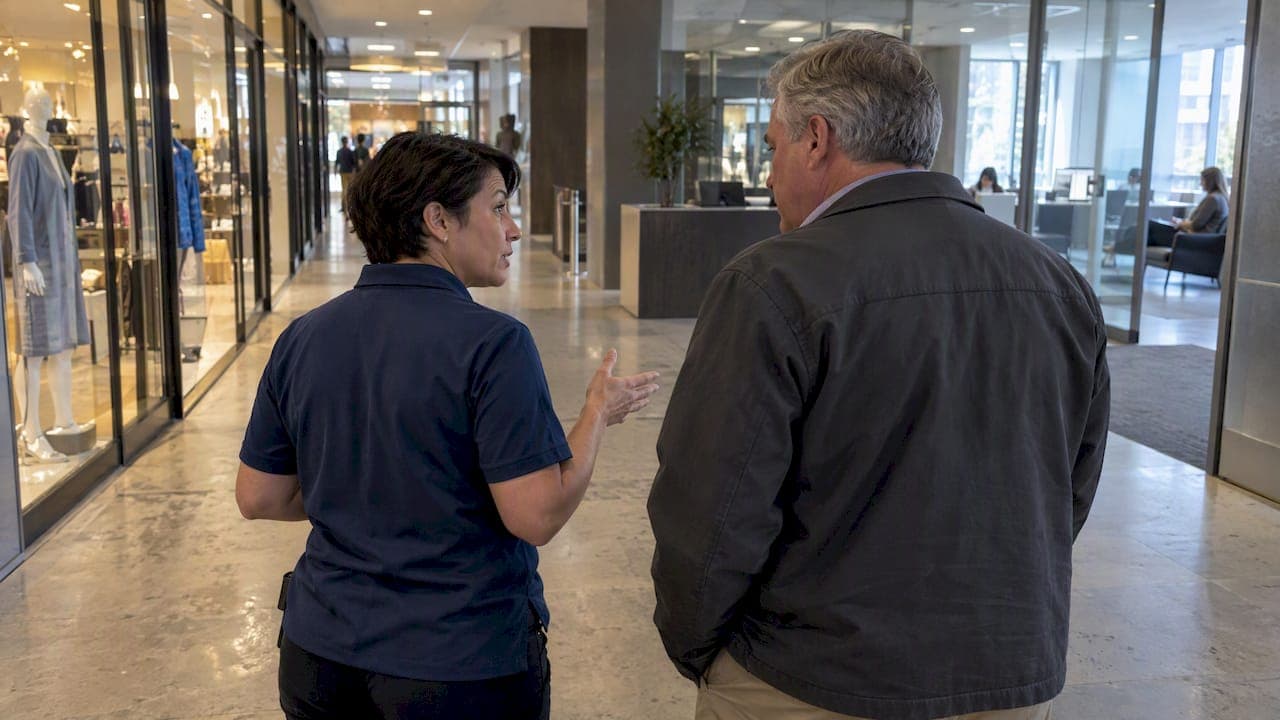
Mixed-use properties require zone-by-zone, usage-driven cleaning with daily attention to high-touch surfaces and targeted specialty services layered in as needed. Standards from the CDC, OSHA, and EPA Safer Choice guide what to clean, how often, and which products to use. A provider like Sparkleprocommercialcleaning can structure this for you.
TL;DR:
- Cleaning frequency should be based on foot traffic and dwell time rather than building size, with high-touch surfaces cleaned daily in high-traffic areas.
- Zone-specific tasks require tailored schedules, with shared spaces like lobbies and elevators receiving multiple daily cleanings due to mixed traffic.
- Specialty services such as post-construction cleaning, window washing, and carpet extraction should be budgeted for in advance and scheduled during low-traffic windows to minimize disruption.
- OSHA mandates Safety Data Sheets and proper ventilation for hazardous chemicals, with proper staff training and strict adherence to product labels for safety compliance.
- Using EPA Safer Choice or DfE-certified products supports indoor air quality and sustainability goals, with ventilation protocols necessary during disinfectant application.
Table of Contents
- Zone-specific standards: how retail, office, residential and shared areas differ
- Cleaning frequency and high-touch surface priorities
- Specialty cleaning services mixed-use managers should budget for
- Safety and chemical handling: SDS, OSHA HCS, and ventilation
- Sustainability and product selection for indoor air quality
- SOW checklist and procurement questions for hiring cleaning services
- Sparkleprocommercialcleaning's approach to mixed-use buildings
- What property managers often get wrong first
- How Sparkleprocommercialcleaning can help with your property
- Sources
- FAQ
Zone-specific standards: how retail, office, residential and shared areas differ
A mixed-use building is really several buildings sharing walls, and each zone carries its own traffic pattern, hours, and risk profile. Retail floors see constant public foot traffic and need visible cleanliness during business hours. Office suites have concentrated morning and evening peaks with quieter midday stretches. Residential corridors demand discretion and quiet, often requiring off-hours work. Shared lobbies and elevators absorb all three traffic types at once, making them the highest-priority zone in the building.
Zone-specific tasks typically break down this way:
- Retail common areas: daily floor care, entrance glass, and trash removal during or after business hours.
- Office zones: nightly vacuuming, desk-area dusting, and restroom service tied to occupancy schedules.
- Residential corridors and amenity spaces: scheduled service during low-traffic windows to avoid disturbing residents.
- Shared lobbies, elevators, and stairwells: multiple daily touchpoints given mixed, continuous traffic.
Coordinating access windows across tenants with different operating hours, security protocols, and noise tolerances is usually the hardest part of scheduling, more than the cleaning itself.
Cleaning frequency and high-touch surface priorities
Usage-driven scheduling beats square-footage formulas because two buildings of identical size can have wildly different traffic. A 50,000-square-foot office with 200 employees needs a different rhythm than a mixed-use building with that same footage split between a gym, a coffee shop, and residential units. Frequency should track foot traffic and dwell time in each zone, not just floor area.
A few rules of thumb for sequencing the work:
- Identify every high-touch surface in each zone: door handles, elevator buttons, handrails, light switches, and restroom fixtures.
- Clean these surfaces regularly, with more frequent cleaning in high-traffic zones or areas serving older adults or immunocompromised residents.
- Reserve disinfectants for high-touch points, visibly soiled surfaces, or after a known contamination event, and rely on routine cleaning for the rest.
CDC guidance recommends daily cleaning of high-touch surfaces, with increased frequency in high-use or sensitive settings. according to the CDC, that distinction between cleaning and disinfecting matters because over-disinfecting adds chemical exposure without adding benefit. A facility manager's guide to high-touch cleaning breaks this down zone by zone if you want to build a checklist.
Specialty cleaning services mixed-use managers should budget for
Routine janitorial work handles daily grime, but mixed-use buildings accumulate wear that routine service cannot fix. Budgeting for specialty work ahead of time avoids scrambling when a tenant complains or an inspection flags an issue.
- Post-construction cleanouts after any tenant buildout or renovation, typically a one-time job tied to the project timeline.
- Window washing on a seasonal or semiannual cycle depending on building height and exposure.
- Deep carpet extraction in offices and common areas, generally quarterly in high-traffic zones.
- VCT strip-and-wax for vinyl composition tile floors, usually one to two times a year.
- Pressure washing for exterior walkways, loading docks, and parking structures, often annual or after seasonal buildup.
- High-dusting in lobbies and stairwells to catch areas routine crews miss, typically quarterly.
- Day porter coverage for buildings with continuous daytime traffic across retail and office zones.
Each of these carries its own tenant-notice requirements, since window washing or post-construction work can disrupt operations below or beside the work zone. A guide to post-build janitorial cleaning and a deep cleaning frequency guide both help set realistic intervals before you write them into a contract.
Safety and chemical handling: SDS, OSHA HCS, and ventilation
Cleaning chemicals are hazardous materials, and mixed-use buildings often have several employers (your cleaning contractor, building staff, retail tenants) working the same spaces. OSHA's Hazard Communication Standard requires Safety Data Sheets for every hazardous product on site, proper container labeling, and a process for sharing hazard information across employers working in the same building.
Practical steps to stay compliant:
- Keep an SDS binder, physical or digital, accessible to every crew and tenant representative on site.
- Follow product label instructions exactly, including dilution ratios and required ventilation.
- Never mix cleaning chemicals, and provide PPE appropriate to the product being used.
- Clean surfaces first when the disinfectant label requires it before disinfection can be effective.
Pro Tip: Ask your contractor to walk through their SDS binder during the site visit, not after the contract is signed.
A step-by-step guide to verifying EPA List N disinfectants is a useful reference when confirming a product is both effective and properly labeled.
Sustainability and product selection for indoor air quality
EPA's Safer Choice and Design for the Environment standard sets criteria for cleaning product ingredients and performance, giving property managers a way to vet chemistries without running their own lab tests. Certified products support indoor air quality goals and can help a building meet LEED or similar sustainability targets.
Balancing disinfection needs with lower-VOC products usually means reserving stronger disinfectants for high-touch or contamination events while using Safer Choice-certified cleaners for routine work, paired with adequate ventilation during and after application.
- Specify Safer Choice or DfE-certified products in your request for proposals where sustainability goals apply.
- Ask bidders whether they can display the Safer Choice Cleaning Service Certification logo.
- Require ventilation protocols for any disinfectant use in enclosed residential or office zones.
SOW checklist and procurement questions for hiring cleaning services
A scope of work that treats a mixed-use building as one undifferentiated space is the most common contracting mistake property managers make. Build the SOW around zones, not square footage.
- Define each zone (retail, office, residential, shared common areas) with its own task list and frequency.
- List specialty line items separately: post-construction, window washing, carpet extraction, VCT maintenance, pressure washing.
- Require SDS documentation and proof of insurance before work begins.
- Set response-time expectations for spills, complaints, or emergency requests.
- Include a QA inspection schedule tied to specific, checkable tasks.
When interviewing bidders, ask about staff training on chemical handling, their full product list, and how they staff for simultaneous retail, office, and residential traffic. Watch for vague frequency language ("as needed") and bundled pricing that hides specialty service costs. A guide to setting cleaning frequency in large buildings and this partner guide on compliance-focused cleaning protocols both offer useful frameworks for structuring these questions.
Sparkleprocommercialcleaning's approach to mixed-use buildings
A professional cleaning company typically works through a four-step process: quote, site visit, scheduled cleaning, and customer approval. Typical services include post-construction cleaning, janitorial services, tenant turn cleans, disinfecting services, and day porter services, applied across office, retail, multifamily, industrial, and healthcare environments. Such companies often operate nationwide with licensed and insured crews.

What property managers often get wrong first
Most mixed-use cleaning problems start with treating the building as one zone instead of several. Two moves fix that fast:
- Audit your high-touch surface list and confirm SDS availability for every product currently in use.
- Pilot a zone-based schedule in the lobby and elevators before rolling changes out building-wide.
— Sales
How Sparkleprocommercialcleaning can help with your property
Running zone-specific schedules, specialty services, and compliance paperwork across a mixed-use building takes more coordination than most property management teams have time for. Sparkleprocommercialcleaning handles that coordination directly, mapping its services to the zones and risks covered above.
- Post-construction cleaning and tenant turn cleans for units between leases.
- Routine janitorial and day porter coverage for shared lobbies and common areas.
- Disinfecting and environmental services for healthcare or sensitive-population zones.
- Eco-friendly options for buildings pursuing LEED or similar certifications.
Request a quote and site visit at Sparkleprocommercialcleaning to get a zone-by-zone plan built around your building's actual traffic, not a generic square-footage estimate.
Sources
- When and How to Clean and Disinfect a Facility | CDC
- Cleaning and Disinfecting Your Facility | CDC
- 1910.1200 - Hazard Communication. | Occupational Safety and Health Administration
- EPA Safer Choice and Design for the Environment (DfE) standard
FAQ
What are the downsides of mixed-use developments?
Mixed-use buildings concentrate different traffic types, hours, and tenant expectations in shared spaces, which makes scheduling, noise control, and access coordination harder than in single-use buildings. Cleaning and maintenance costs can also run higher because shared zones like lobbies and elevators need more frequent attention than any single use would require on its own.
What is the 20/10 rule for cleaning?
The 20/10 rule is a general tidiness habit rather than a standard used in commercial facility management. For mixed-use property cleaning, CDC guidance on high-touch surface frequency is the more relevant reference.
What are three types of cleaning?
Facility cleaning generally splits into routine cleaning, which removes dirt and most germs from surfaces, disinfection, which is reserved for high-touch points or after contamination events, and specialty cleaning, which covers tasks like carpet extraction or window washing. The CDC's guidance on cleaning and disinfecting recommends choosing between routine cleaning and disinfection based on risk rather than habit.
What is a mixed-use commercial-residential building?
A mixed-use commercial-residential building combines two or more uses, commonly retail, office, and residential units, within a single structure or complex, often sharing lobbies, elevators, and parking. These shared zones see continuous, overlapping foot traffic, which is why cleaning schedules for them need to be set by usage intensity rather than a single building-wide frequency.
Can Sparkleprocommercialcleaning handle both the routine and specialty cleaning a mixed-use building needs?
Sparkleprocommercialcleaning offers janitorial services, tenant turn cleans, post-construction cleaning, disinfecting services, and day porter coverage, which together cover both daily and specialty needs across a mixed-use building's different zones. Pricing depends on property size, frequency, and scope, so a quote and site visit through Sparkleprocommercialcleaning is the way to get specifics for your building.