
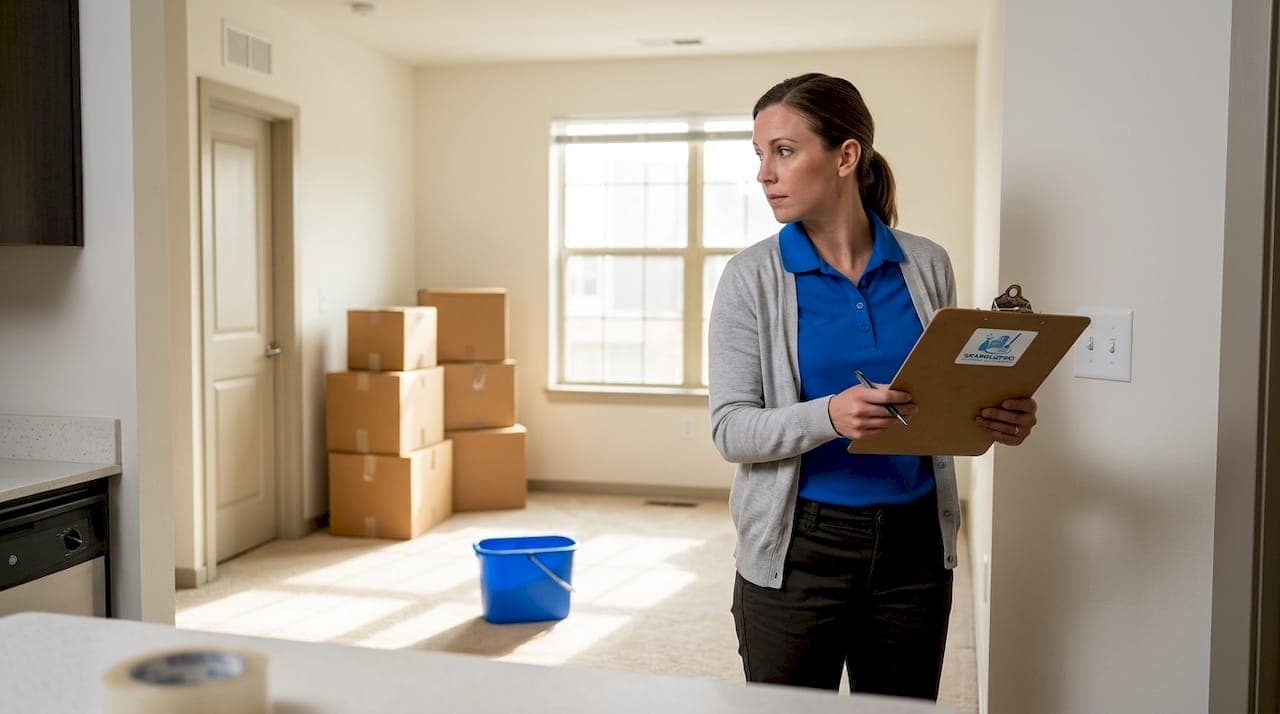
You walk into a recently vacated unit and immediately see it: grease baked onto the stovetop, grime rings in the tub, debris in the garage, and blinds coated in dust. The clock is already ticking. Every day that property sits unready costs you money in lost rent, and a disorganized cleaning process puts deposit funds and future tenant relationships at risk. A systematic, well-documented move-out cleaning approach is the single most reliable way to cut turnover time, protect your assets, and keep your rental business running smoothly.
Table of Contents
- Preparing for a tenant move-out cleaning
- Room-by-room cleaning checklist
- Move-out cleaning costs and benchmarks
- Troubleshooting: Common mistakes and how to avoid them
- Our perspective: Move-out cleaning shortcuts pros never tell you
- Professional move-out cleaning solutions for your properties
- Frequently asked questions
Key Takeaways
| Point | Details |
|---|---|
| Document everything | Photograph all rooms before and after cleaning to protect against deposit disputes. |
| Follow a systematic checklist | Clean each room with attention to commonly missed fixtures and spaces. |
| Budget realistically | Expect professional cleaning costs to range from $120 to $420 depending on unit size and condition. |
| Schedule after repairs | Only clean once all maintenance and junk removal are complete to avoid redundant work. |
| Understand local laws | Check state regulations and compare move-in versus move-out reports for compliance. |
Preparing for a tenant move-out cleaning
Before a single mop hits the floor, preparation is what separates a smooth turnover from a chaotic one. The groundwork you lay in the days before cleaning determines how fast you can re-list, how confidently you can handle deposit disputes, and how consistently professional your results will be across every unit.
Start with documentation. As Buildium's move-out checklist emphasizes, timestamped photos taken before and after cleaning are essential for defending deposit deductions. Walk through the unit immediately after the tenant vacates, photograph every room from multiple angles, and log all damage or excessive dirt separately from normal wear. This visual record is your best protection if a dispute goes to arbitration or small claims court.
Next, revisit your move-in report. State laws vary significantly when it comes to deposit deductions and cleaning obligations. California, for example, mandates a pre-move-out inspection where tenants get the chance to fix issues before their lease ends. Knowing your state's rules and comparing current conditions against the original move-in report keeps you legally defensible and operationally fair.
Once documentation is squared away, verify that the unit is physically ready for cleaning. That means repairs, patch work, and junk removal should be completed first. Scheduling a cleaning crew into a unit still full of a tenant's leftover furniture or with ongoing drywall work wastes everyone's time and money. Use property management software like Buildium or AppFolio to assign tasks, track completion, and maintain a digital paper trail for every step of the turnover process.
Essential tools and supplies checklist:
- Heavy-duty degreasers for kitchens and garage floors
- Commercial-grade disinfectants for bathrooms
- Microfiber cloths (color-coded by zone to prevent cross-contamination)
- HEPA-filter vacuums for allergen removal
- Steam mop or commercial floor scrubber
- Extension dusters for vents and high ceilings
- Grout brushes and tile scrubbers
- Trash bags, gloves, and eye protection
Stocking the right commercial cleaning supplies matters more than most managers realize. Consumer-grade products from big-box stores often require multiple applications to achieve what a single pass with a commercial-grade product delivers. The upfront cost difference is small compared to the labor hours saved.
Pro Tip: When evaluating cleaning contracts with vendors, ask specifically what product lines they use and whether their disinfectants meet EPA List N standards for surface sanitation. This single question quickly separates professional operators from budget crews.
| Preparation task | Timing |
|---|---|
| Walk-through and timestamped photos | Day of vacancy |
| Compare to move-in report | Within 24 hours |
| Schedule repairs and junk removal | Before cleaning booking |
| Confirm cleaning crew availability | 48-72 hours before target date |
| Restock cleaning supplies/tools | 24 hours before cleaning day |
Room-by-room cleaning checklist
With supplies ready and documentation in place, the cleaning itself should follow a structured, room-by-room sequence. Working systematically prevents you from missing areas and ensures nothing gets re-contaminated after it has already been cleaned. The standard approach is to work top-to-bottom, far-to-near, and dry-to-wet within each room.
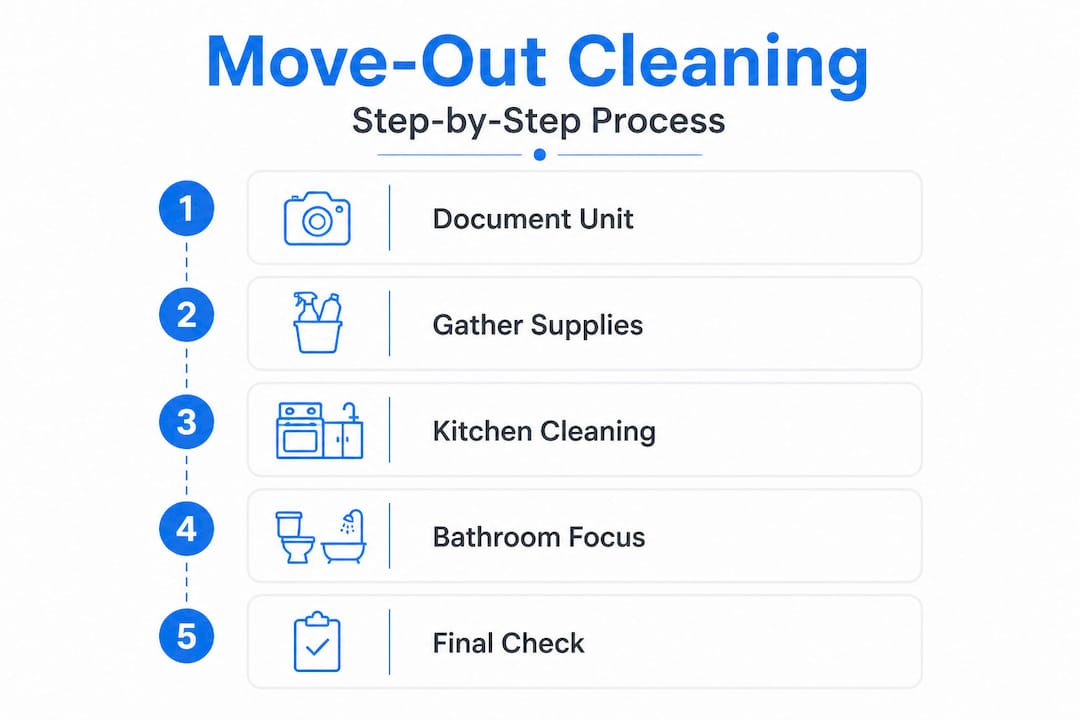
The room-by-room checklist that professional property managers rely on covers four main zones: kitchen, bathrooms, living and bedroom spaces, and miscellaneous areas like garages and patios.
Step-by-step priority order for each unit:
- Remove trash and debris from all rooms first
- Clean interior of all appliances (oven, refrigerator, microwave, dishwasher)
- Degrease stovetop, range hood, and backsplash
- Sanitize kitchen counters, cabinets (inside and out), and sink
- Disinfect all bathrooms: toilet, tub, shower, sink, grout, and mirrors
- Clean exhaust fans and bathroom light fixtures
- Dust and wipe all bedroom and living room surfaces
- Clean windows, blinds, and baseboards throughout
- Vacuum and mop all floors, including under appliances
- Address miscellaneous: light switches, vents, patio, garage, storage areas
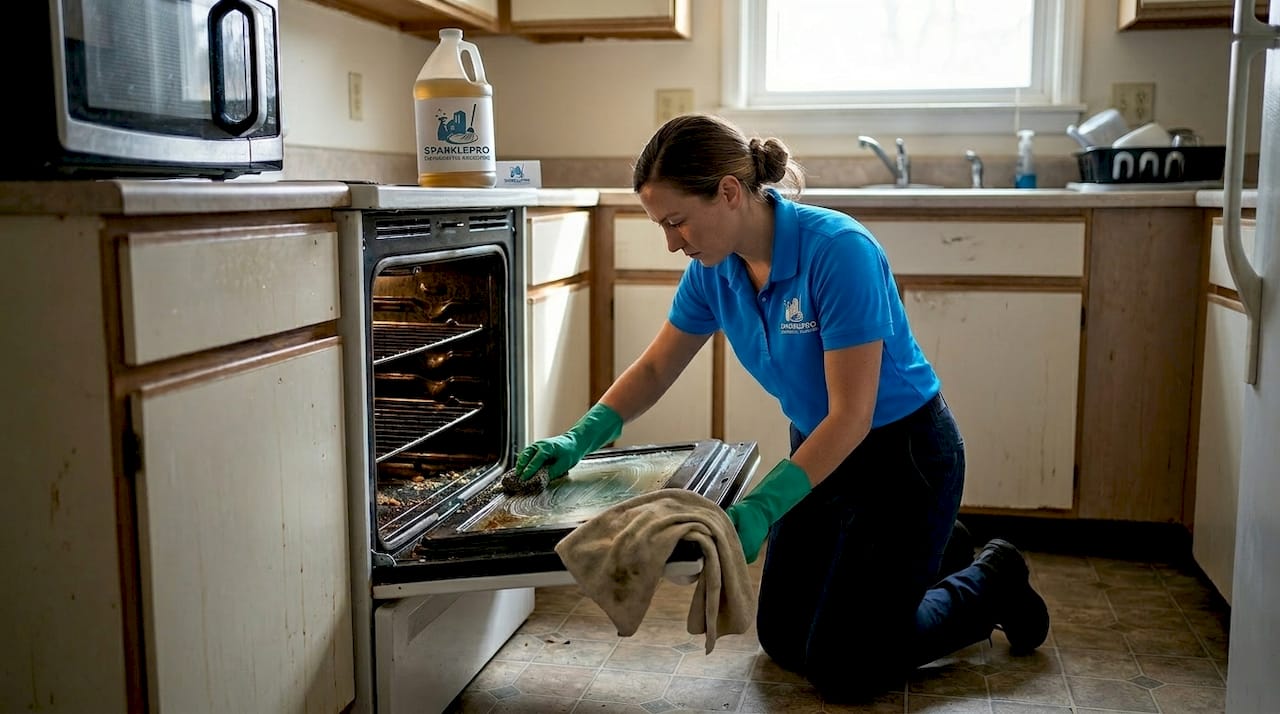
The kitchen demands the most time. Baked-on grease inside an oven or on a range hood can require soaking agents and dedicated scrubbing time. Cabinets, both inside and out, are frequently overlooked by tenants but immediately noticed by prospective renters. For efficient move-out cleaning workflow execution, assign one crew member specifically to kitchen appliances while another tackles surfaces and floors simultaneously.
Bathrooms are the second highest-priority zone. Grout lines, exhaust fans, and the underside of toilet rims are spots tenants rarely clean and inspectors always check. A proper bathroom disinfection pass goes beyond surface wipes; it requires dwell time for disinfectants to actually kill pathogens.
Pro Tip: For the floor cleaning process, always vacuum or dry-sweep before any wet mopping. Mopping over loose grit grinds particles into grout lines and dull surfaces. This two-step approach adds only five minutes per room but significantly extends the clean appearance between tenancies.
| Area | Priority level | Common missed items |
|---|---|---|
| Kitchen | High | Inside oven, under refrigerator, hood vent filter |
| Bathrooms | High | Exhaust fan, grout lines, behind toilet |
| Bedrooms | Medium | Blinds, baseboards, closet interiors |
| Living room | Medium | Ceiling fans, window tracks, light switch plates |
| Garage/patio | Lower | Floor stains, cobwebs in corners, door tracks |
One important nuance: adapt your checklist for unit-specific features. Units with fireplaces, in-unit laundry, or finished basements need additional checklist items. Units where tenants had pets need enzyme-based treatments for odors before standard cleaning begins. A commercial vs. residential cleaning standard applies here: commercial-quality results require a more rigorous scope than what a typical residential cleaning service delivers.
Move-out cleaning costs and benchmarks
Understanding what move-out cleaning realistically costs protects you from being under-resourced or overcharged. Pricing data across markets shows a clear national range.
According to move-out cleaning benchmarks, the national average for a professional move-out clean is approximately $360, with a range of $120 to $420 depending on unit size and location. A two-bedroom, two-bathroom unit typically runs $260 to $420 and takes four to five hours with two cleaners. Hourly rates per cleaner fall between $25 and $75, and most professional services send crews of two for efficiency. Total turnover costs, including cleaning, repairs, and re-listing, average $2,500 to $4,000 and take 14 to 30 days for standard units.
Key cost factors that affect your final invoice:
- Unit size: Larger square footage means more surfaces, more floors, and more time
- Condition: Neglected or heavily soiled units carry a 25-50% premium over standard pricing
- Regional market rates: Labor costs in Boston or San Francisco are higher than in mid-sized markets
- Specialty items: Carpet deep-cleaning, biohazard situations, or smoke-damaged units are priced separately
- Turnaround speed: Rush scheduling within 24 to 48 hours often adds a 10-20% premium
Statistic callout: Neglected units, meaning those with heavy grease buildup, pet damage, or years of deferred cleaning, can cost 25-50% more than the standard rate for the same square footage. Budgeting conservatively for these situations prevents surprise invoices and keeps your turnover financials predictable.
To set a realistic cleaning budget, use your move-in inspection report as a baseline. If you photographed the unit in pristine condition at move-in, you have a direct comparison for what restoration work is needed at move-out. This comparison also determines how much, if any, of the cleaning cost can be charged to the departing tenant versus absorbed as a normal operating expense.
Consulting a cleaning standards guide before finalizing vendor contracts helps you define the scope clearly so both parties agree on what "move-in ready" means before work begins, not after. Ambiguous scope is the leading cause of vendor disputes and repeat service calls.
| Unit size | Estimated cleaning time | Price range |
|---|---|---|
| Studio/1-bed | 2-3 hours | $120-$200 |
| 2-bed/1-bath | 3-4 hours | $180-$280 |
| 2-bed/2-bath | 4-5 hours | $260-$420 |
| 3-bed/2-bath | 5-7 hours | $350-$550 |
| Neglected unit (any size) | Add 25-50% | Price increases accordingly |
Troubleshooting: Common mistakes and how to avoid them
Even experienced property managers make recurring mistakes during turnover cleaning. Most of them are preventable with the right protocols in place. Catching these issues before they become problems saves both time and money.
Most common move-out cleaning mistakes:
- Cleaning before repairs and junk removal are finished
- Failing to document pre-clean conditions with photos
- Using a generic cleaning checklist that misses unit-specific features
- Skipping the final white-glove check before listing the unit
- Relying on tenant-hired cleaners without verifying results
- Missing high-touch surfaces like light switch plates, door handles, and window locks
The sequencing mistake is especially costly. As noted in the Buildium move-out checklist, cleaning should always occur after repairs and junk removal. If you clean first and contractors come in afterward to patch drywall or replace fixtures, the drywall dust settles on freshly cleaned surfaces and floors. You end up paying for a second cleaning pass that was completely avoidable.
Deposit disputes are the other major pain point. When a tenant disputes a cleaning charge, your strongest defense is side-by-side photo documentation. Effective cleaning solutions for avoiding disputes always start with airtight documentation, not just cleaning quality. If you cannot show photo evidence of conditions at move-in and move-out, any cleaning charge becomes difficult to defend regardless of how legitimate it is.
The white-glove final check is something many managers skip when pressed for time. It is also the step that catches the details a new tenant will absolutely notice: a foggy mirror, a sticky drawer track, or a vent cover with dust baked into the grille. Think of it as your quality control step. Walk the unit after cleaning with a white cloth and run it along baseboards, vent covers, and appliance tops. If the cloth comes back dirty, the cleaning is not done.
"Thorough documentation and a structured final check are what separate a professional turnover from one that leads to callbacks, disputes, and delayed re-listing." Integrating these two habits into every turnover is one of the highest-value changes a property manager can make.
The cleaning benefits extend beyond aesthetics. A spotless unit photographs better, rents faster, and signals to prospective tenants that the property is well-managed. That reputation directly affects your ability to attract quality applicants and justify premium rent rates.
Pro Tip: Create a laminated final-check card with 10 to 15 specific items that cleaning crews must verify and sign off on before leaving the property. This single tool reduces callbacks by a significant margin and builds vendor accountability into your standard process.
Our perspective: Move-out cleaning shortcuts pros never tell you
The checklist is the starting point, not the finish line. After working with property managers across multiple states and property types, the clearest pattern we see is that the managers who run the tightest turnovers are not working harder than everyone else. They are working smarter with the right systems and the right vendors.
Here is the contrarian reality: most turnover delays have nothing to do with cleaning itself. They happen because cleaning gets scheduled too early (before repairs), too late (poor vendor availability planning), or with the wrong scope (residential cleaning crews tackling commercial-grade messes). Locking in your preferred cleaning vendor before the vacancy even happens eliminates 90% of scheduling friction.
The other thing standard guides understate is the value of commercial-grade equipment. A professional cleaning team with a truck-mounted steam system or a commercial scrubber will accomplish in four hours what a residential crew accomplishes in eight. That labor savings translates directly into faster re-listing. Equipment quality is not a luxury; it is a throughput multiplier.
Tenant accountability is also worth addressing directly. Some managers accept tenant-provided cleaning as adequate to avoid conflict. That is a false economy. Tenants rarely clean to professional standards, and the cost of a second professional pass after a failed tenant clean eats up any goodwill savings. Set clear, written cleaning expectations in your lease, and define "move-in ready" with measurable standards, not vague language.
Finally, "white-glove" is a term that gets used loosely. In real practice, it means every surface a new tenant will touch within the first 48 hours is spotless: cabinet pulls, faucet handles, shower tracks, and light switch plates. Review the move-out cleaning workflow your vendors use and confirm that these contact points are explicitly on their checklist, not assumed.
Professional move-out cleaning solutions for your properties
Implementing a proven move-out process is straightforward when you have the right professionals behind you.
At Sparkle Pro Commercial Cleaning, we work directly with property managers and building owners to deliver move-in ready results on your timeline. Whether you manage units in Massachusetts, Delaware, or anywhere across the country, our licensed and insured cleaning teams follow a structured, documented process that protects your property and your schedule. We handle everything from standard turnover cleans to neglected unit deep-cleans with commercial-grade equipment and verified scope. Visit Sparkle Pro Commercial Cleaning to request a quote, schedule a site visit, and get your next turnover moving without the guesswork.
Frequently asked questions
What should property managers document before and after move-out cleaning?
Property managers should capture timestamped photos of all rooms both before and after cleaning, then compare them directly against the original move-in report to support any deposit deductions.
How much does professional tenant move-out cleaning cost?
The national average for move-out cleaning is approximately $360, with a range of $120 to $420 depending on unit size. Heavily neglected units can add a 25-50% premium to that baseline.
What items are commonly overlooked during tenant move-out cleaning?
Exhaust fans, grout lines, interior cabinet surfaces, patio areas, garage floors, and light fixtures and switches are frequently missed but consistently noticed by new tenants and inspectors.
When should move-out cleaning be scheduled?
Always schedule cleaning after all repairs and junk removal are complete. Cleaning before these steps forces you to re-clean disturbed areas, doubling your time and labor cost.
How do state laws affect deposit deductions and cleaning requirements?
State laws differ considerably, with states like California requiring pre-move-out inspections, so property managers must understand local regulations and use move-in versus move-out comparisons to justify any cleaning-related deductions.