
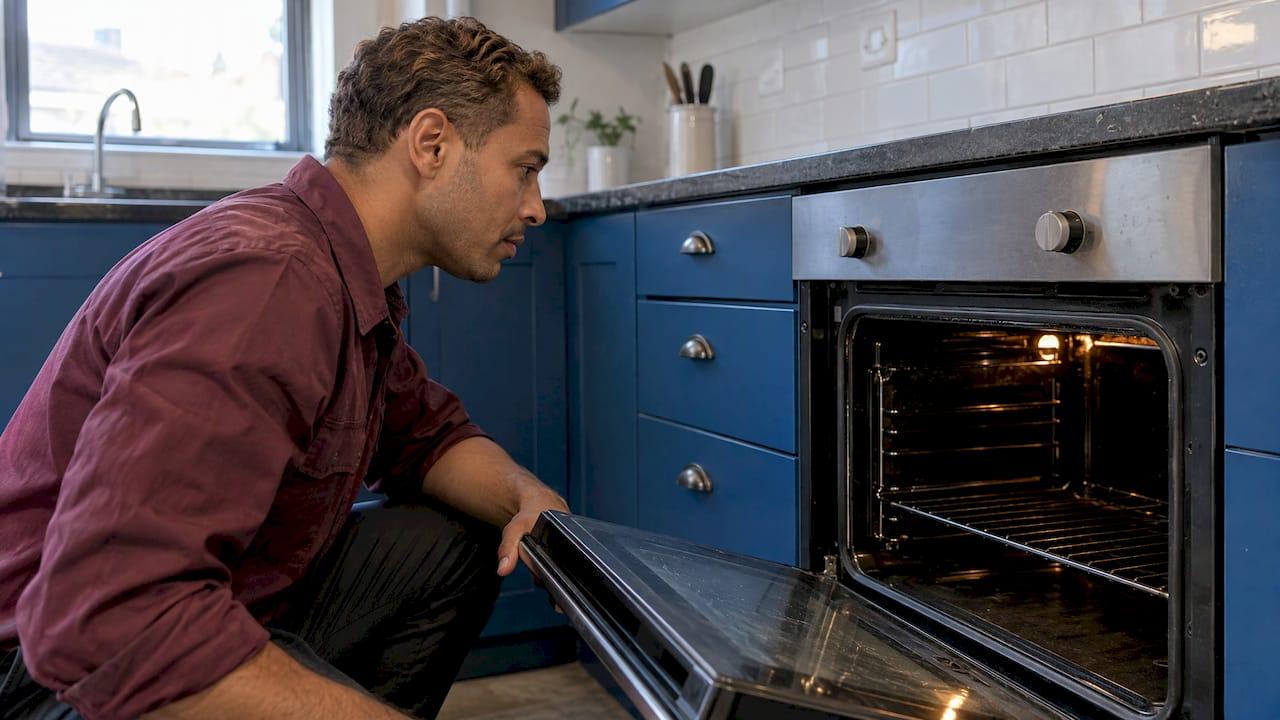
Property inspection cleaning is a one-time, detail-focused clean done shortly before an inspector, a code official, a lender, an incoming tenant or an owner walks the space. Its job is to make every surface, fixture and access point show the true condition of the property, so the inspection is about the building and not about dust. For a property manager or building owner, the best approach is a written scope, a clean finished 24 to 48 hours before the walk-through, and photos that prove it.
This guide covers what the clean includes, how to time it, a checklist you can hand to a crew, how to document the result, and the legal and safety points that shape the work in the U.S.
TL;DR
- Inspection cleaning is a targeted, checklist-driven clean that exposes real property condition: surfaces, fixtures, appliances, access areas and utilities.
- Finish the clean shortly before the inspection, then do a walk-through of your own to catch missed spots and re-clean what needs it.
- Write down what "clean" means for the property. Ambiguous standards cause disputes, and explicit ones prevent them.
- Take time-stamped photos or video after the clean. A paper trail is what settles disagreements later.
- Codes and deposit rules differ by state and city, so confirm local requirements before you set your scope.
Table of Contents
- What property inspection cleaning actually involves
- When to schedule the clean
- The inspection cleaning checklist
- Write down what "clean" means
- Document the condition and the clean
- Legal and safety points that shape the scope
- Preparing the building for the crew
- Perspective: why we scope inspection cleans the way we do
- Get your property inspection-ready with us
- FAQ
- Sources
What property inspection cleaning actually involves
A routine janitorial visit keeps a building presentable day to day. An inspection clean has a different goal: nothing should hide the condition of the property, and nothing should be dirty enough to be mistaken for damage.
That changes what the crew focuses on. Instead of trash, restrooms and floors alone, the scope reaches the places an inspector opens, lifts or looks behind:
- Inside appliances, ovens, refrigerators and range hoods
- Window tracks, sills and glass
- Light fixtures, switches and outlet covers
- Baseboards, door frames and closets
- Bathroom grout, tubs, drains and soap scum
- Utility rooms, garages and storage areas that must be reachable
- Exterior entries, walkways and trash areas
There are really three reasons to do it. First, a clean property lets an inspector see the real condition of walls, floors and fixtures. Second, in many jurisdictions a dirty or cluttered property is itself a finding. Third, for turnovers, a documented clean protects the owner's position if a deposit or condition dispute follows.
Inspection types and what each expects
Not every inspection asks the same thing of a cleaning crew. All Property Management lists five common landlord inspection types: move-in, mid-lease, pre-move-out, move-out, and seasonal or drive-by checks. Each serves a different purpose, from documenting baseline condition to deciding deposit deductions.
In practice, we see the cleaning expectations fall into these groups:
| Situation | Cleaning focus | Typical timing |
|---|---|---|
| Move-out or turn inspection | Full interior detail: appliances, bathrooms, floors, windows, walls | After the space is empty, before the final walk-through |
| Move-in or new-tenant handover | Spotless baseline that matches the move-in condition report | Just before keys change hands |
| Mid-lease or routine inspection | Tidy, accessible, sanitary common and unit areas | Ahead of the notice date |
| Code, municipal or rental licensing inspection | Sanitary, accessible, free of debris, utilities working | Before the official appointment |
| Post-construction or tenant improvement closeout | Dust removal, adhesive and residue removal, final polish | Before punch list or occupancy walk-through |
For commercial space, the last row is where inspection cleaning overlaps with construction cleanup. Our construction final clean checklist breaks that work into three stages, room by room.
When to schedule the clean
Timing is the part most managers get wrong. Clean too early and the space gets dusty or scuffed again. Clean too late and there is no time to fix what the walk-through finds.
A workable pattern:
- Send notice early. One property management checklist suggests sending a move-out inspection notice 7 to 14 days ahead, and notes many states require a minimum of 24 hours. Check your state's rule and your lease.
- Book the crew for after the space is empty. Cleaning around furniture or boxes means missed edges and floors.
- Finish the clean 24 to 48 hours before the inspection. That leaves a buffer for touch-ups without letting dust settle.
- Do your own walk-through after the crew. Use the same checklist the crew used.
- Keep the final hour clear. Lights on, utilities working, doors unlocked, keys ready.
For turnovers, HappyCo's inspection guide says move-out inspections should happen as close to the move-out date as possible, ideally when keys change hands. The same guide notes that most states require deposits returned with an itemized deduction list within 14 to 30 days, so a slow clean eats into a short clock. Confirm the deadline in your own state's landlord-tenant statute.
If you manage multiple properties, our turnover timeline for property managers lays out the 24 to 72 hour rule and three phases of a typical turn, which helps when several inspections land in the same week.
The inspection cleaning checklist
Give the crew a written scope. It protects you too, because the crew's work and your inspection use the same list. Room-by-room assessments for U.S. rentals, such as this digital inspection guide, cover walls and ceilings, floors, windows, doors, light fixtures, outlets and switches, closets, appliances, countertops and cabinets, sinks, range hoods, detectors, HVAC, water heater, exterior and garage. Here is how we turn that into a cleaning scope.
Entry, living and work areas
- Dust ceiling fans, vents, high shelves and tops of door frames
- Wipe fingerprints from switches, plates and door handles
- Clean baseboards and corners, and remove cobwebs
- Vacuum and mop all hard floors. Vacuum carpet, and extract it if the lease or your standards require it
- Clean window glass, tracks and sills, and remove debris from tracks
- Remove all personal items, stickers, tape and adhesive residue
Kitchens and break rooms
- Clean appliances inside and out, including ovens, microwaves, refrigerators and freezers
- Degrease range hoods and filters
- Wipe cabinets inside and out, and clean drawers and shelves
- Clean and sanitize countertops, sinks and faucets, and remove scale
- Empty and clean trash areas
Restrooms and bathrooms
- Remove soap scum and mineral buildup from tubs, showers and tile
- Clean and disinfect toilets, urinals, sinks and partitions
- Clean mirrors, dispensers and exhaust fan covers
- Clear drains of visible debris
Mechanical, storage and exterior areas
- Sweep utility rooms, garages and storage areas, and make them reachable
- Wipe down electrical panel doors and water heater exteriors (cleaning only, never opening or servicing)
- Check smoke and CO detector covers for dust, and leave testing to the responsible party
- Clear entries, walkways and dumpster areas
The commonly missed details are the same few, again and again: dust on ceiling fans, fingerprints on switches, sticky floor spots, cobwebs, dirty baseboards and bathroom soap scum. One landlord checklist lists these as the items to look for on a walk of every surface. Put them at the top of your own pre-inspection pass.
For a full printable version, our property cleaning checklist and property manager cleaning checklist cover routine and turnover work in more detail.
Write down what "clean" means
Most cleaning disputes are really definition disputes. A tenant thinks clean means swept. A manager thinks it means oven-ready. One move-out guide advises providing cleaning standards in writing: personal items removed, floors vacuumed and mopped, appliances cleaned inside and out, windows clean, carpets cleaned if the lease requires it, and walls free of holes and stains beyond normal wear.
The same logic applies when you hire a crew. Give the crew the same standard, attach it to the work order, and walk the space against it. Our move-out cleaning workflow shows how to build that standard into each turnover, and the tenant move-out cleaning guide walks through the steps.
Document the condition and the clean
A clean that nobody can prove did not happen, as far as a dispute is concerned. Documentation is the second half of inspection cleaning.
What to capture:
- Time-stamped photos or video after the clean, with wide shots of each room and close-ups of existing issues. All Property Management also recommends pairing images with written notes, using the same form each time, and storing files in cloud folders labeled by property and date.
- A short narrated walkthrough. One checklist suggests a five-minute video that states the condition room by room, such as the kitchen being clean inside the appliances or a soap-scum area that still needs work.
- Written notes on damage: location, size, apparent cause and estimated repair cost, kept separate from cleaning notes. Cleaning and damage are different line items.
- Digital records with embedded timestamps. One inspection-software provider states these are generally accepted by U.S. courts and landlord-tenant tribunals and are often preferred over handwritten notes. Ask your attorney how your local court treats them.
If waterproofing, leaks or moisture are part of your condition review, a printable waterproofing inspection checklist can help you structure what you record after a tenant leaves.
Legal and safety points that shape the scope
Rules vary a lot by state and city, so treat the following as examples and confirm your own jurisdiction.
Property maintenance codes. Many municipalities adopt a property maintenance code. The New York State Department of State explains that the 2020 Property Maintenance Code of New York requires premises to be clean, safe and sanitary (Section 302.1), structures to be in good repair and leak free (Section 304), and premises to be free from pests, weeds, rubbish and garbage. Cleaning supports every one of those items, though it does not replace repairs.
Local rental inspections. Upper Darby Township, Pennsylvania, publishes an inspection checklist that expects utilities on and working, every room, basement, attic, garage and utility area accessible, no clutter that blocks safe inspection, and a generally clean and sanitary property. Other towns have similar lists. Call the local code office and ask for theirs.
Deposit deductions. If the inspection is a move-out and you plan to charge cleaning against a deposit, state law governs what you can deduct and how you must itemize it. A common principle is that ordinary wear and tear is not deductible and that cleaning charges generally restore the move-in condition rather than improve on it. Because the rules differ by state, check your state attorney general's or housing agency's tenant-landlord guidance, or ask counsel, before you bill.
Chemicals and occupied space. Disinfecting a healthcare, food or multifamily space calls for products and dwell times suited to the surface and the setting. Product labels and the facility's own policies set those details. For commercial tenant improvement work, our guide to OSHA and EPA ready tenant improvement cleaning covers the safety side.

Preparing the building for the crew
A good clean starts before the crew arrives. A few hours of prep saves hours on site:
- Confirm water, power and HVAC are on, since crews and inspectors both need them
- Clear access to every room, closet, mechanical area and exterior space
- Remove debris, abandoned items and bulk trash first
- Flag problem areas: stained carpet, heavy buildup, adhesive, odors
- Share the inspection date, the standards and the document list
- Name one person who can approve work on site
Our guide on how to prepare for building cleaning covers access, scheduling and communication in more depth. If the space is going to a new occupant, the move-in cleaning guide explains what a commercial turnover should look like.
Perspective: why we scope inspection cleans the way we do
Most inspection problems we are called in to fix are not dirt problems. They are scheduling and scope problems. The space is cleaned too early, or nobody wrote down what the inspector will check, or the crew never saw the list.
That is why our process starts with a quote and a site visit. We walk the property, note the areas that matter for the inspection, agree the scope in writing, schedule the clean, and ask for your approval at the end. Four steps, no guesswork.
We are a nationwide, non-franchised commercial cleaning company with local crews, fully licensed and insured, and we aim to respond within 24 hours. For property managers, general contractors and building owners, that means one standard of work across a portfolio, whether the job is a post-construction cleanout, a tenant turn, a healthcare space or a LEED property that needs eco-friendly products.
Our advice is simple: treat the clean as part of the inspection, not as something that happens before it. Give the crew the same checklist the inspector will use, and walk the finished space together.
Sales
Get your property inspection-ready with us
If you manage offices, retail centers, multifamily, industrial or healthcare space and want the clean handled by one team, we can help. We offer post-construction cleaning, tenant turn and move-out cleans, deep cleans, disinfecting, environmental services, day porter and facility services, and eco-friendly options. Pricing depends on property size, frequency and scope, and we confirm it after a site visit.
Request a quote for your property and tell us your inspection date, and we will plan the scope backward from it.
FAQ
How far ahead of an inspection should the cleaning be finished?
Aim for 24 to 48 hours before. That is close enough that dust and traffic have not undone the work, and far enough to fix anything your own walk-through finds. For a move-out, schedule it right after the space is empty.
Is a property inspection clean different from a regular janitorial service?
Yes. Janitorial service keeps a building presentable on a recurring schedule. An inspection clean is a one-time, detail-level clean built around a checklist, reaching places like appliance interiors, window tracks, fixtures and utility areas that routine visits skip.
What should I photograph after the clean?
Take wide shots of every room and close-ups of any existing issues, with timestamps, and add written notes. Store the files by property and date. A short narrated video walkthrough is a useful addition.
Can I charge a tenant for cleaning after an inspection?
That depends on your state and lease. Generally, ordinary wear and tear cannot be charged, and cleaning charges are tied to restoring the move-in condition, usually with an itemized statement. Check your state's landlord-tenant rules or ask an attorney before you deduct.
Who should hire the cleaning crew before an inspection?
The party who controls the property: the property manager, building owner, facility manager or general contractor. A tenant without authority over the building usually cannot book the work or sign off on it.
Sources
- Rental Property Inspections: A Guide for Landlords, All Property Management
- Move-Out Checklist for Landlords, PropertyManagementBiz
- The Complete Rental Property Inspection Checklist Guide, HappyCo
- Digital Move-In and Move-Out Inspections for US Rental Properties, Cleemo
- Property Maintenance Code basics for inspections, New York State Department of State
- Inspection Checklist, Upper Darby Township, PA
- Waterproofing checklist PDF for property inspections